Ethiopiques 32
Ethiopiques
ETHIOPIQUES 32/ NALBANDIAN l’Éthiopien
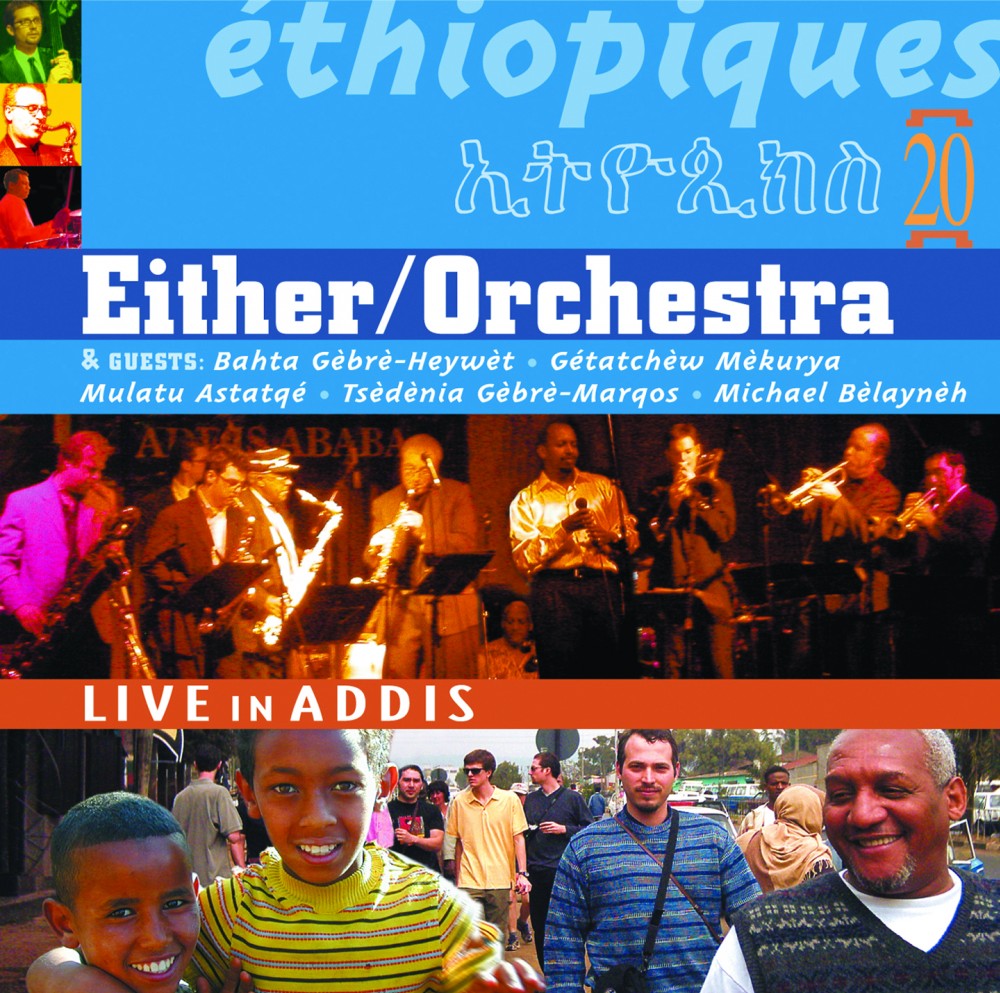
Either/Orchestra & Ethiopian Guests
Monsieur Nersès (1915-1977)
This is Ethiopia in the mid-1950s and early 1960s, on the eve of the blossoming, or rather the explosion, of Swinging Addis. Rock'n'roll, rhythm and blues, soul and twist had not yet burst onto the scene, and the atmosphere was still steeped in the post-war big band era, with Glenn Miller's In the Mood enduring as a global anthem on a par with the Latin wave which was also popular at the time. But post-war joie de vivre was already there, with peace restored after the terrible Italian-Fascist invasion of 1935-1941. The redeployment of modern music was an integral part of the reconstruction. It was the young generation, parents of baby-boomers, who had the first taste of this resurrection before the baby-boomers themselves took over, definitively electrifying the soundtrack of the end of the imperial reign.
It was stateless persons of Armenian origin, Kevork Nalbandian and, above all, his nephew Nersès, who contributed to revolutionising modern Ethiopian music. The great historical godfather of this music, it must be strongly emphasised, was an Armenian emigrant who had become deeply Ethiopianised, Nersès Nalbandian: Moussié Nersès, Nalbandian the Ethiopian.
A riot of brass instruments, well-integrated discipline, relentless innovation and revolutionary teaching methods took care of the rest, starting in 1955. These outsiders, who composed two Ethiopian national anthems and a continental anthem (no less than the anthem of the OAU, the Organisation of African Unity), were also and above all the true origin of what would become the Swinging Addis of the 1960s. Nersès was granted Ethiopian nationality in 1957 for services rendered to Ethiopian music.
With the essential contribution of the Bostonians of the Either/Orchestra, this recording represents the crucial modernist link that until now had been missing in the Ethiopiques.